

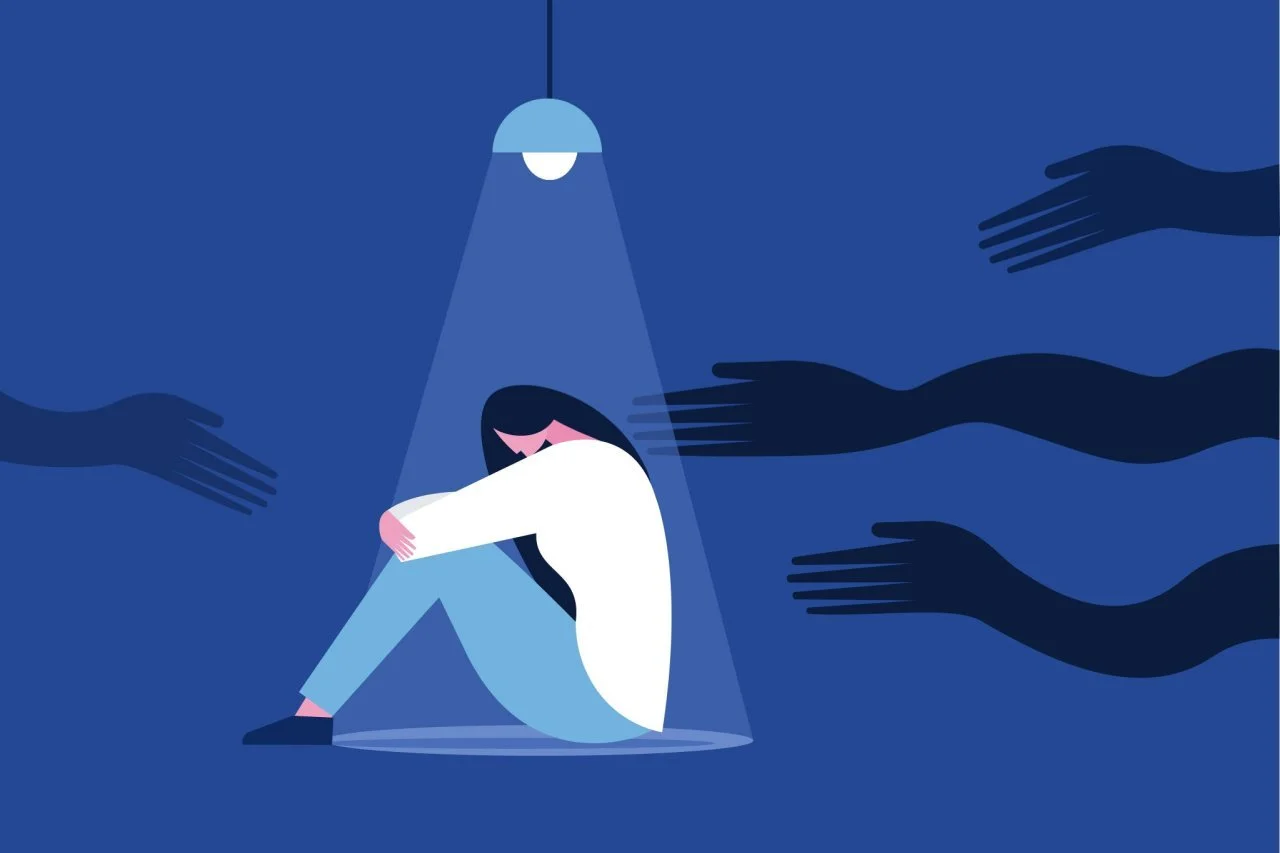
Post-Traumatic Stress Disorder (PTSD)
-
TSCC™
Trauma Symptom Checklist for Children™
-

TSCYC™
Trauma Symptom Checklist for Young Children™
-

TSI™-2
Trauma Symptom Inventory™-2
What is PTSD?
Post-traumatic stress disorder (PTSD) is a treatable anxiety disorder affecting around 3 million Australians at some time in their lives.
It happens when fear, anxiety, and memories of a traumatic event don't go away. The feelings last for a long time and interfere with how people cope with everyday life.
What are the symptoms of PTSD?
Everyone is affected differently by PTSD. Symptoms can range from subtle changes in day-to-day life, withdrawal and numbness, to distressing flashbacks or physical anxiety.
Symptoms of PTSD may appear in the month after the traumatic event, but sometimes they can stay dormant for years.
Some symptoms of PTSD include:
re-experiencing the trauma
repetitive memories (or flashbacks) that are hard to control and intrude into everyday life
nightmares
extreme distress caused by reminders of the trauma
memories or disturbing thoughts that can be prompted by smells, sounds, words, or other triggers

Symptoms of PTSD
-
staying away from places, people or objects that may trigger memories of the traumatic event
changing a normal routine to avoid triggering memories
not wanting to talk about or think about the event
feeling numb
-
• feeling a sense of hopelessness about the future
• negative beliefs about yourself or the world
• blaming yourself for others unreasonably
• intense worry, depression, anger, or guilt
• not being able to remember the traumatic event
• no longer enjoying favorite activities
• becoming emotionally detached from others
• not being able to experience positive emotions
-
• constant, excessive alertness
• scanning the environment for signs of danger
• being easily startled
• irritable or aggressive behavior
• difficulty sleeping
• poor concentration
Children or teenagers with PTSD may have similar symptoms but with some differences. Symptoms of PTSD in children include:
new onset of bedwetting when previously dry at night
being unusually clingy with parents or carers
acting out the event during play
forgetting how to talk
distressing dreams
being more irritable, angry, or aggressive — such as having extreme temper tantrums
having problems with concentration
not being able to sleep
A teenager may experience any of the adult symptoms but may be more likely to:
have a desire for revenge
behave in a destructive, disrespectful, or violent way
increase risk-taking behaviour
What causes PTSD?
PTSD can be caused by experiencing or witnessing a traumatic event — an event that was potentially life-threatening, or involved serious injury or sexual violence. The kinds of experiences that can potentially cause PTSD are:
serious accidents
natural disasters such as bushfires, floods and earthquakes
living in a war zone, as a victim of war or a soldier
sexual assault or threatened sexual assault
serious physical assault
seeing people hurt or killed
Although a relationship break-up or losing a job can feel devastating, these are not the kinds of events that usually cause PTSD.
Anyone can develop PTSD, but some people are at greater risk. There is probably a mixture of reasons explaining why some people develop PTSD while others do not.
Risk factors for developing PTSD include:
repeated trauma, such as living in a war zone for a long time
had a mental illness in the past, like anxiety or depression
a history of trauma or abuse in early childhood
experiencing very severe trauma
not having enough support afterwards
extra life stresses after the trauma, such as the loss of loved ones, a home or a job
the type of traumatic event, with rape or sexual assault being more likely to lead to PTSD than other events
PTSD is not the only mental health disorder caused by experiencing traumatic events, and depression and anxiety disorders may be just as common. Depression, generalised anxiety, PTSD, and agoraphobia are the most common disorders that can be caused by traumatic events.
How is PTSD treated?
Many people have some symptoms of PTSD in the first couple of weeks after a traumatic event, but most recover on their own or with the help of family and friends.
For people whose symptoms last longer, PTSD is treated with psychotherapy or sometimes medicine, or both. Everyone's PTSD is different, so if you have PTSD you might need to try a few different types of treatment before you find something that works for you.