

Autism Spectrum Disorder (ASD)
-

ABAS™-3
Adaptive Behaviour Assessment System™, Third Edition
-
ADI-R
Autism Diagnostic Interview (Revised)
-

ADOS®-2
Autism Diagnostic Observation Schedule® - Second Edition
-
GARS-3™
Gilliam Autism Rating Scale
-
BRIEF®2
Behavior Rating Inventory of Executive Function®, Second Edition
-
CARS™ 2
Childhood Autism Rating Scale™, Second Edition
-
DP™-4
Developmental Profile™ - Fourth Edition
-
PDDBI™
PDD Behavior Inventory™
-

PEP-3
Psychoeducational Profile
-

SCQ
Social Communication Questionnaire
-
SPECTRA™
Structured Program for Early Childhood Therapists Working with Autism
-

SRS-2™
Social Responsiveness Scale™ - Second Edition
-

VABS-3
Vineland Adaptive Behaviour Scales - Third Edition
What is Autism?
Autism is a condition that affects how a person thinks, feels, interacts with others, and experiences their environment. It is estimated that one in 70 people are on the autism spectrum.
Defining Autism
What are the myths and misunderstandings about the characteristics of autism?
To adequately define autism practically is complex. There are lots of myths and misunderstandings about autism. But while many Autistic people experience difficulties, with the right support they can achieve a great quality of life.
There is also a misconception that the autism spectrum is linear. In fact, Autistic people display a wide range of characteristics. These encompass their strengths, communications, social interactions, leisure, and play. Rather than a straight line, their characteristics appear more like a constellation.
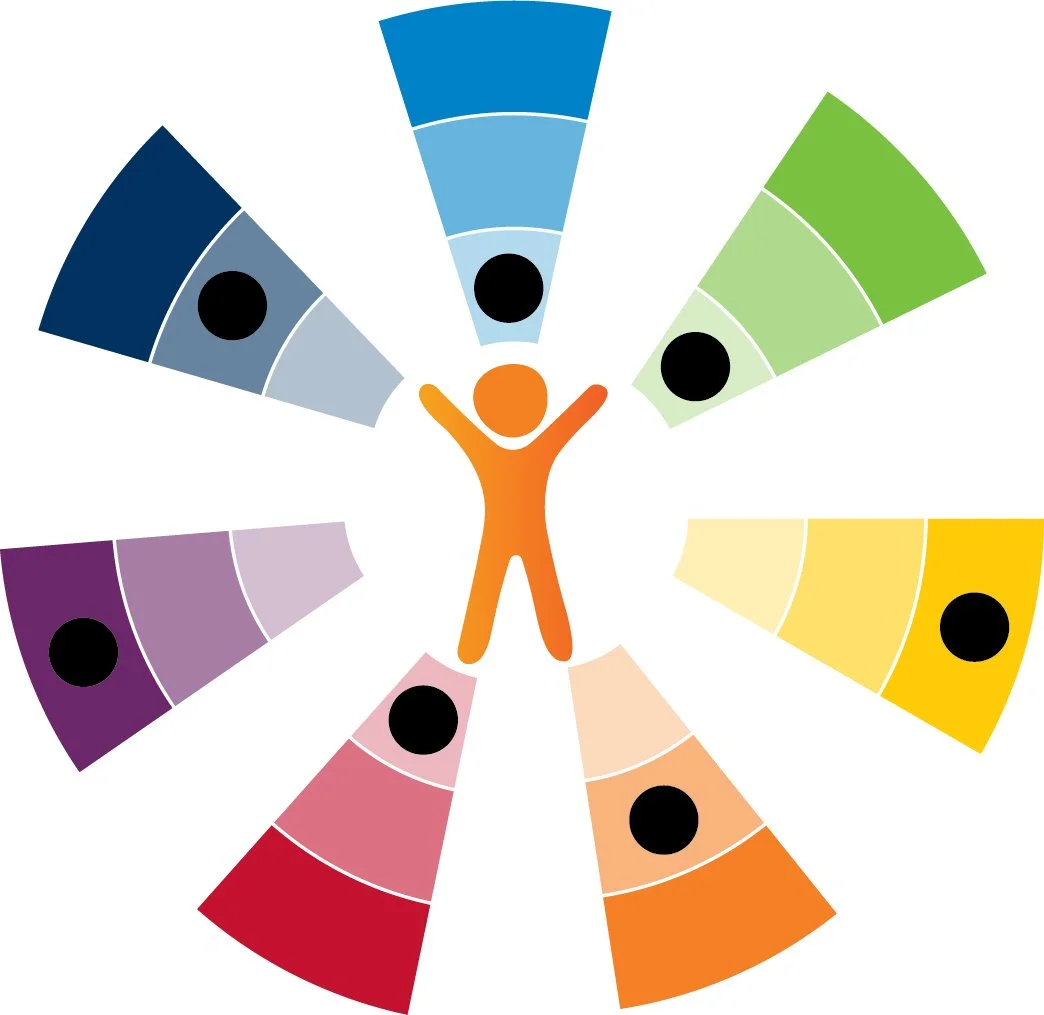
Characteristics of Autism
-
Areas of strengths vary but include: logical or visual thinking, persistence, an eye for detail, good skills with technology, and a memory for facts and figures
Very strong focus on specific interest areas
Deep interest in typical topics such as Pokémon, sport, Disney, or trains, or more unusual topics (e.g., air conditioners or bins)
Up to 20% of Autistic people have exceptional or above-average skills in one or more areas such as reading, math, art, mechanics, music, or memory.
-
Communicate honestly and directly
A dislike or difficulty with small talk, sarcasm or understanding jokes
Repeating words or phrases in a way that can seem out of context
Not using or understanding gestures like pointing
Using sounds, signs, gestures or pictures to communicate instead of spoken words
Taking extra time to understand spoken information
-
Discomfort in busy complex social situations
Might prefer to play alone or next to others more than with them
An ability to pay attention without making eye contact
Using or responding to body language differently
Social interactions are often misunderstood by non-autistic people.
-
Preference for leisure based on passions
Non-traditional play such as repetitive lining up of toys
Preferring to do things in the same way
Comfortable socializing through technology such as phones, video conferencing or online chats and games
-
Being constantly more aware of some sensations (sounds, smells, tastes, touch, etc.)
Feeling distressed or overwhelmed if there are too many sensations at once (loud noises, lots of touching, bright lights, etc.)
Working hard to avoid distress by covering ears, or hiding in quiet places to block out sensations.
Discomfort with touch such as clothing, tags, or light touch from others.
Seeking sensory experiences by smelling food, flicking fingers in front of lights
Not noticing internal sensations like hunger or pain.
-
An uneven pattern of thinking abilities
An ability to focus on one thing for a very long time
Difficulty switching from one thing to another
An ability to notice specific details, patterns, or changes that other people are unaware of
-
A strong, sometimes overwhelming, emotional connection to others
Repeating movements such as flapping hands or pacing around to show excited or to help cope with stress
Delay in learning to understand and regulate emotions
Difficulties understanding how non-autistic people think in some situations (just as non-autistic people have difficulty understanding autistic people).
Challenges associated with Autism
Autism is often linked with physical, developmental, or mental health conditions. These could include intellectual disability, epilepsy, gastrointestinal issues, ADHD, dyspraxia, anxiety, or depression.
However, many of the disabling challenges associated with autism come about when individuals don’t have respect, understanding, and support. When they do, they can become much more comfortable in a non-Autistic world.

Autism Alert Card
NexGenCounselling has recently developed the Autism Alert Card. The card is designed to assist Autistic individuals to communicate their need for support to others, in situations that may be challenging. NexGenCounselling is offering these cards free to people on the autism spectrum.
The Autism Alert Card is an Autistic led initiative.